
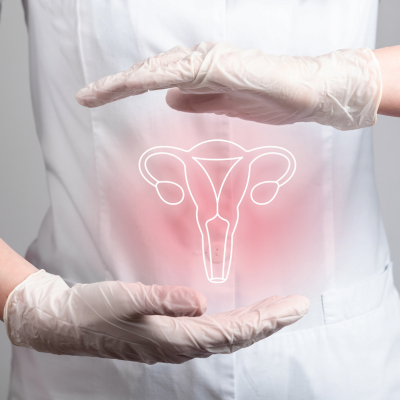
Prolapse refers to the descent or drooping of organs from their normal position, commonly affecting the pelvic organs like the uterus, bladder, rectum, and vagina. When non-surgical treatments don’t provide relief, surgery may be recommended to repair the prolapsed organs. This guide provides an overview of the various types of prolapse surgeries, risks, benefits, and post-operative care.
Types of Prolapse
- Cystocele (bladder prolapse): Occurs when the bladder drops into the vagina
- Rectocele (rectal prolapse): When the rectum pushes against and moves the back wall of the vagina
- Uterine prolapse: The descent of the uterus into the vaginal canal
- Vaginal vault prolapse: The top of the vagina (vault) drops after a hysterectomy
- Enterocele: When the small bowel pushes against the upper wall of the vagina
Types of Prolapse Surgery
1. Vaginal Approach
- Anterior and Posterior Colporrhaphy: Used for cystoceles and rectoceles, this procedure tightens the tissues and muscles of the vaginal wall
- Vaginal Hysterectomy: Removal of the uterus through the vagina when there is uterine prolapse
- Vaginal Vault Suspension: Addresses vaginal vault prolapse by attaching the top of the vagina to ligaments or the sacrum
2. Abdominal Approach
- Sacral Colpopexy: Used primarily for vaginal vault prolapse, it involves attaching the top of the vagina to the sacrum using mesh
- Abdominal Hysterectomy: Removal of the uterus through an incision in the abdomen
3. Laparoscopic and Robotic-Assisted Surgery
- These are minimally invasive approaches that use small incisions, a camera, and specialized instruments. They can be used for various types of prolapse surgeries.
4. Obliterative Surgery
- Colpocleisis: Partial or total closure of the vaginal canal, suitable for women who no longer desire vaginal intercourse. It treats and prevents prolapse recurrence.
Benefits of Prolapse Surgery
- Relief from symptoms: Reduced pain, pressure, or a feeling of fullness
- Improved bladder and bowel function
- Enhanced sexual satisfaction: Repair can resolve discomfort or pain during intercourse.
- Restored anatomy: The organs return to their normal position.
Risks and Complications
Like all surgeries, prolapse surgeries carry risks:
- Bleeding
- Infection
- Pain
- Organ injury
- Formation of fistulas (abnormal connections between organs)
- Mesh-related complications (when mesh is used)
- Recurrence of prolapse
- Urinary incontinence
Preparing for Surgery
- Medical evaluation: Ensure you’re a suitable candidate for surgery.
- Quit smoking: Reduces complications
- Manage chronic conditions: Such as diabetes or hypertension
- Medication: Discuss with your doctor any medications you’re on.
Post-Operative Care
- Activity restrictions: Avoid heavy lifting or strenuous activities for a certain period.
- Avoid sexual intercourse: Typically for 6-8 weeks or as directed by your surgeon
- Follow-up: Regular check-ups to monitor healing
- Pelvic floor exercises: Strengthen pelvic muscles and support recovery.
Our Surgeons are Female Pelvic Health Experts
Prolapse surgery is a potential solution for individuals with organ prolapse causing discomfort or functional problems. Always discuss with a specialist to determine the best approach, understand the risks and benefits, and ensure optimal post-operative recovery.
Our double board-certified urogynecologists are uniquely qualified to treat prolapse. Call us today at 770.721.6060 or request a free consultation online.